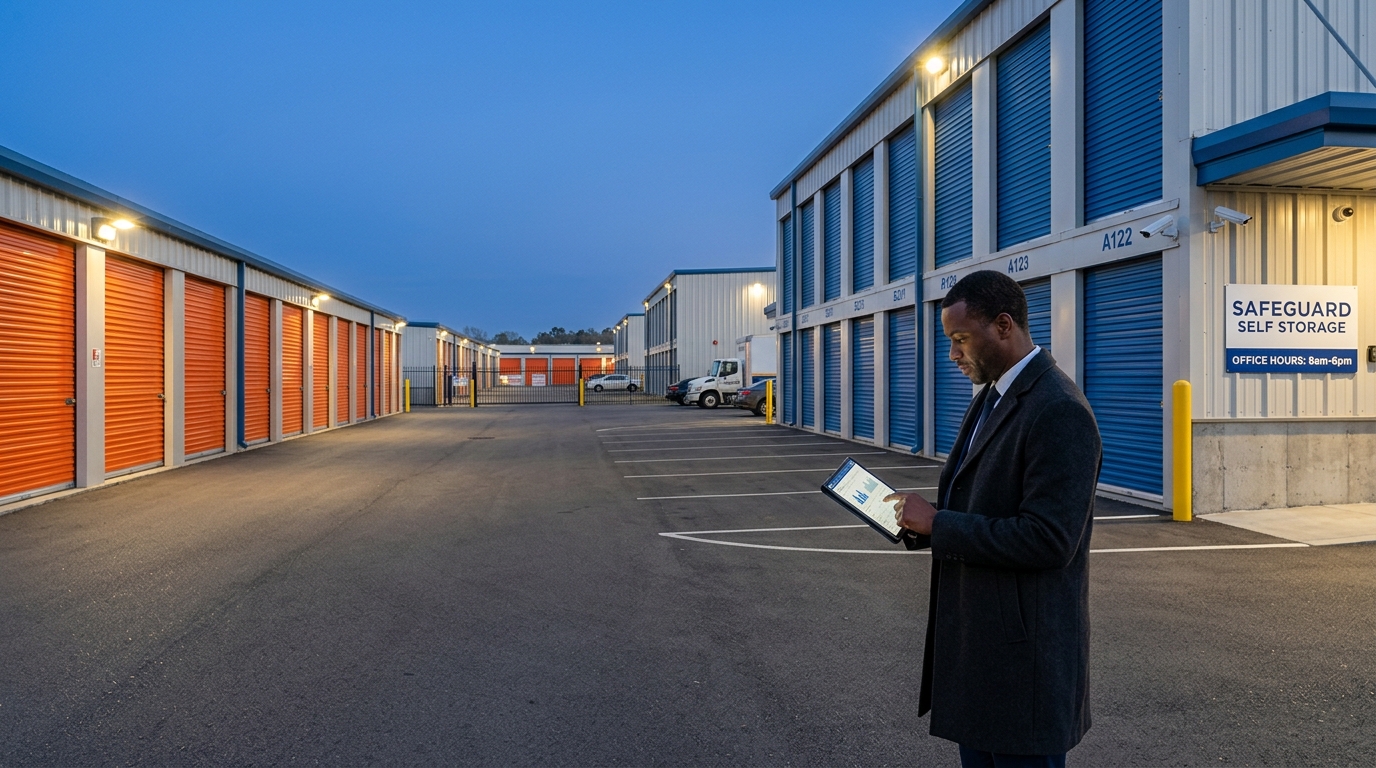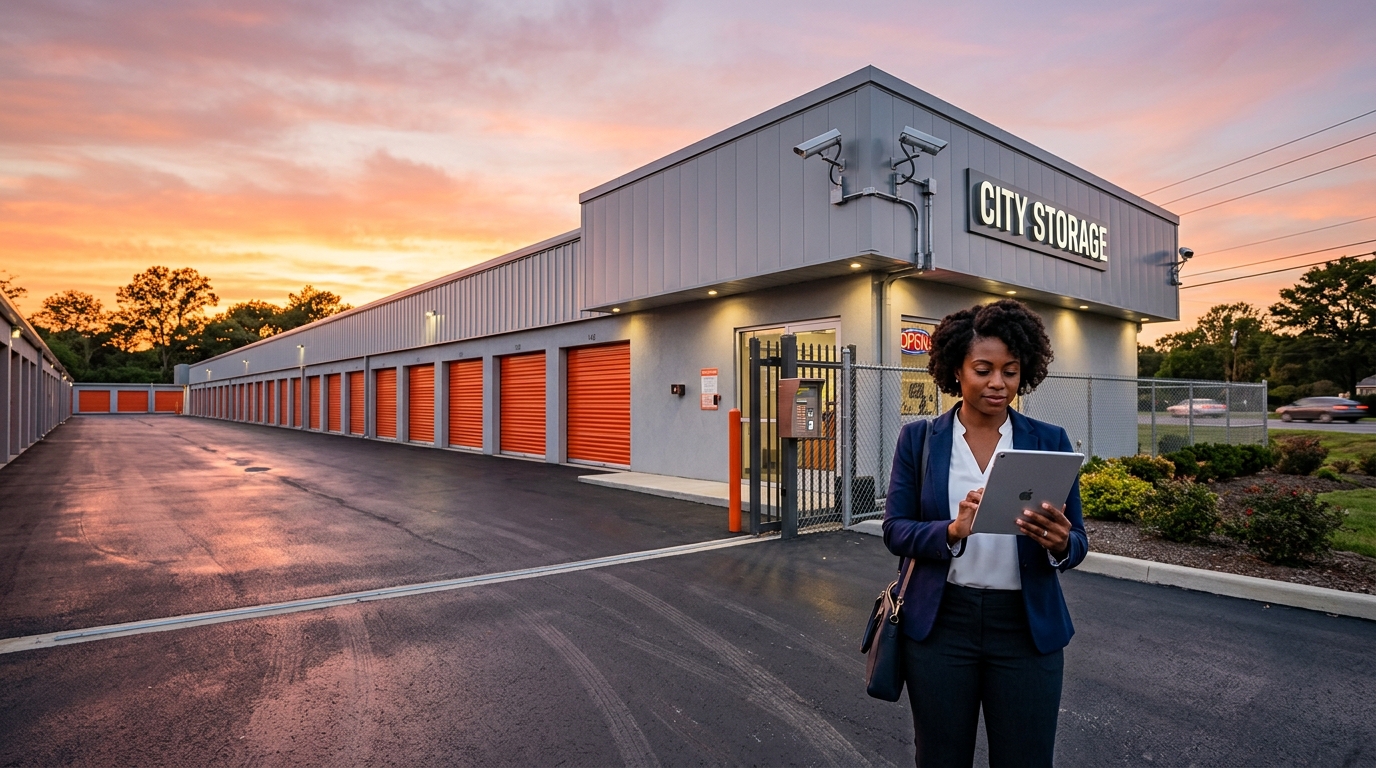
In the landscape of alternative real estate, few sectors offer the combination of operational simplicity and cash-flow resilience found in self-storage. Unlike the intensive management requirements of multifamily housing or the complex tenant-improvement packages necessary for Class A office space, self-storage operates on a model of extreme minimalism. This sector, often overlooked by those seeking architectural prestige, provides a masterclass in unit-level economics and risk mitigation for the disciplined investor. The fundamental appeal of the asset class lies in its unique demand drivers and its remarkably low break-even occupancy levels.
The unique demand profile of self-storage is built upon the foundational life events often referred to as the four Ds: death, divorce, downsizing, and dislocation. These events occur regardless of the broader economic climate, creating a floor for demand that remains relatively stable during market contractions. When the economy is flourishing, consumers buy more goods and require space to store them. Conversely, during a recession, individuals often downsize their living arrangements, necessitating a temporary repository for their belongings. This counter-cyclical nature makes the asset class a powerful hedge within a diversified real estate portfolio.
From an operational standpoint, the efficiency of self-storage is nearly unparalleled. A standard facility requires minimal staffing: often only one or two employees are needed to manage hundreds of units. There are no kitchens to repair, no complex HVAC systems to balance across multiple floors, and no carpets to replace every few years. The primary capital expenditures are limited to roof maintenance, parking lot paving, and security system upgrades. This lack of interior complexity translates directly into higher net operating income margins, which frequently exceed those of traditional retail or residential assets. For investors focused on cash-on-cash returns, the ability to retain a larger portion of the gross rent is a significant advantage.
Another compelling aspect of the sector is its extreme fragmentation. While large real estate investment trusts have consolidated many of the prime assets in major metropolitan areas, a vast majority of the national inventory remains in the hands of independent operators. This creates a significant opportunity for institutional investors to acquire assets from mom-and-pop owners and implement professional management practices. The introduction of sophisticated revenue management systems, which adjust unit pricing based on real-time inventory levels and local competition, can often lead to immediate increases in top-line revenue without any physical changes to the property. This digital optimization represents a low-risk value-add strategy that does not rely on expensive construction or renovation.
Furthermore, the lease structure in self-storage offers a level of flexibility that is rare in commercial real estate. Most storage contracts are month-to-month, allowing owners to adjust rents rapidly in response to inflationary pressures. In a high-inflation environment, a landlord tied to a ten-year office lease may see their real income erode, but a self-storage operator can mark their entire rent roll to market in a matter of weeks. This agility provides a level of protection against purchasing-power risk that is difficult to find in other property types. Additionally, the cost of moving items out of storage often outweighs the cost of a modest rent increase, leading to high tenant stickiness despite the short-term nature of the contracts.
Risk management is further bolstered by the low break-even occupancy rates inherent in the sector. Because the operating costs are so low, many facilities can cover their debt service and operating expenses with occupancy levels as low as sixty percent. This provides a substantial cushion against localized oversupply or temporary economic downturns. While a multifamily property might face financial distress if occupancy dips below eighty-five percent, a well-managed self-storage facility can remain cash-flow positive even during periods of significant vacancy. This margin of safety is a critical consideration for risk-averse investors looking for long-term stability.
As the market continues to mature, the focus is shifting toward the integration of technology to further reduce overhead. Automated kiosks, mobile-entry gates, and remote monitoring allow some facilities to operate entirely without on-site personnel. This evolution toward unmanned operations represents the next frontier in maximizing the efficiency of the asset class. For the investor who prioritizes data-driven results over the prestige of the asset, self-storage offers a compelling case for superior risk-adjusted returns through operational excellence and structural resilience.