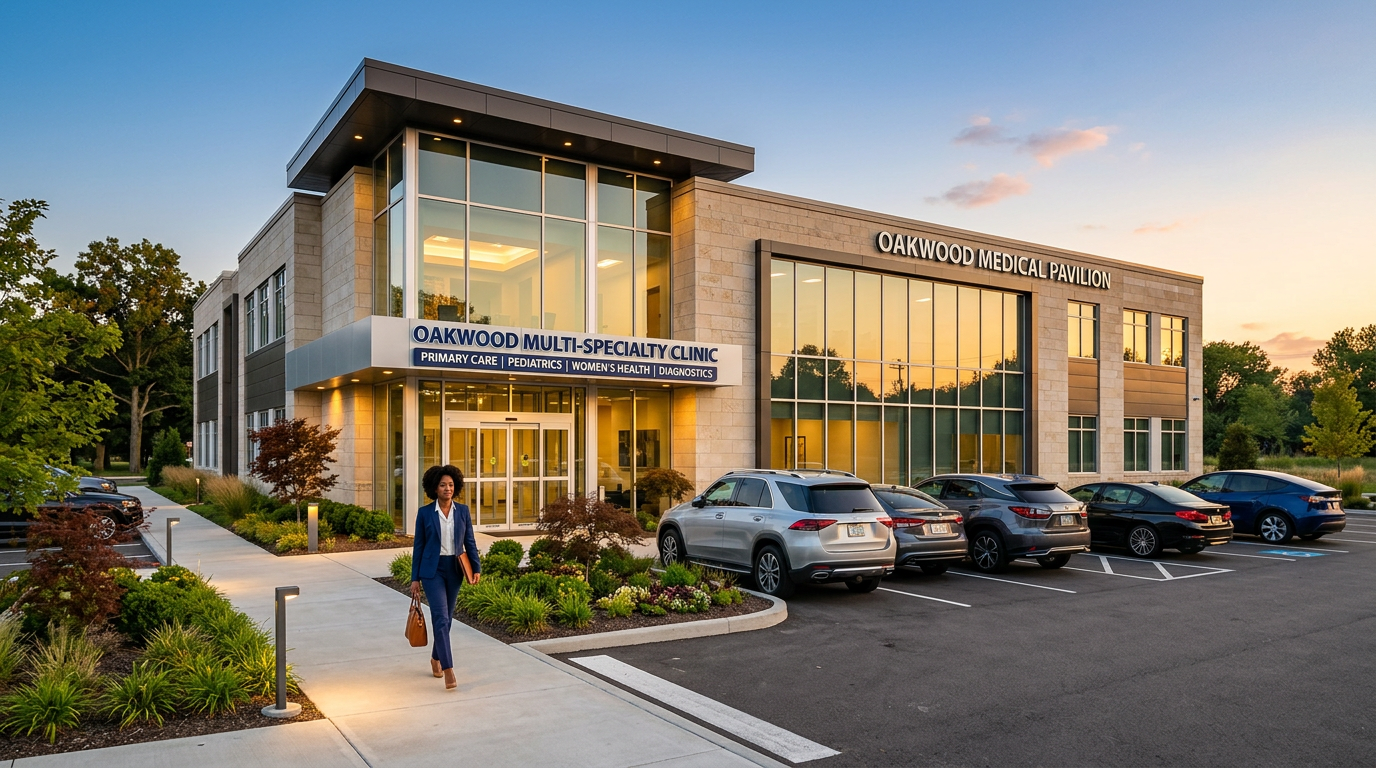
In the current landscape of commercial real estate, where traditional office spaces face significant headwinds due to remote work trends, a specialized sub-sector has emerged as a preferred sanctuary for disciplined capital: the medical office building. This asset class, often referred to by the acronym MOB, operates on a fundamental logic that differs substantially from its corporate counterparts. While a standard office tenant might prioritize aesthetic finishes or proximity to urban amenities, the medical tenant is anchored by specialized infrastructure, regulatory requirements, and the geographic necessity of being near a patient base. For the sophisticated investor, these factors translate into a high degree of occupancy stability and predictable cash flows.
The primary driver of value in medical office assets is the concept of tenant stickiness. Unlike a typical professional services firm that can relocate its digital infrastructure with minimal disruption, a clinical tenant is often physically bound to its space. A modern surgical suite or diagnostic imaging center requires significant capital investment in lead-lined walls, reinforced flooring, high-voltage electrical systems, and specialized plumbing. These tenant improvements are frequently amortized over a decade or more, creating a powerful economic incentive for the practitioner to renew their lease rather than incur the prohibitive costs of decommissioning and rebuilding elsewhere. Data suggests that medical tenants renew at rates significantly higher than the broader commercial market, often exceeding eighty percent in well-managed facilities.
Furthermore, the demand for healthcare services is fundamentally non-discretionary. While retail spending and luxury residential demand may fluctuate with the broader economy, the need for oncology treatments, orthopedic consultations, and primary care remains constant. This recession-resistant quality provides a defensive layer to a real estate portfolio that is difficult to replicate in other sectors. The demographic shift toward an aging population further bolsters this thesis: as a larger segment of the population requires frequent medical intervention, the demand for outpatient clinical space continues to grow. Investors are increasingly moving away from hospital-campus assets toward off-campus community hubs that offer greater convenience for patients and lower overhead for providers.
The lease structures prevalent in the medical office sector also offer distinct advantages for the landlord. Many clinical leases are structured as triple net or NNN agreements, where the tenant assumes responsibility for property taxes, insurance, and maintenance costs. This structure protects the investor from the inflationary pressures of rising operating expenses. Additionally, these leases often include fixed annual escalations, ensuring that the net operating income grows steadily over the life of the term. When combined with the high credit quality of large healthcare systems or established multi-specialty physician groups, the risk of default is mitigated to a level that is attractive to institutional lenders and private equity funds alike.
Strategic location remains a critical component of medical office analysis. The most successful assets are typically situated in close proximity to major acute-care hospitals or within high-growth residential corridors. This creates a referral ecosystem where practitioners benefit from the proximity of other specialists and diagnostic facilities. A patient visiting a primary care doctor in a medical plaza is likely to use the pharmacy or the laboratory located within the same complex, creating a symbiotic environment that supports high occupancy across the entire asset. This cluster effect makes the property more resilient to competition, as new entrants must find a way to disrupt established patient-provider patterns.
Regulatory barriers to entry also serve as a protective moat for existing medical office owners. In many jurisdictions, the development of new healthcare facilities is governed by strict zoning laws and sometimes requires certificates of need from local health authorities. These hurdles limit the supply of new clinical space, which in turn supports higher rental rates and keeps vacancy levels low. For an investor, acquiring an existing, well-located medical office building is often more cost-effective than attempting to navigate the complex entitlements required for new construction. This supply constraint is a key pillar of the long-term value appreciation observed in the sector.
In summary, the medical office sector offers a compelling blend of stability, growth, and risk mitigation. By focusing on assets that cater to the essential needs of a clinical tenant base, investors can achieve superior risk-adjusted returns that are decoupled from the volatility of the general office market. The combination of high relocation costs, non-discretionary demand, and favorable lease structures makes medical office buildings a cornerstone of a defensive and diversified real estate strategy. As the healthcare delivery model continues to shift toward outpatient settings, the strategic value of these specialized assets is only expected to intensify, rewarding those who prioritize clinical infrastructure over traditional commercial space.