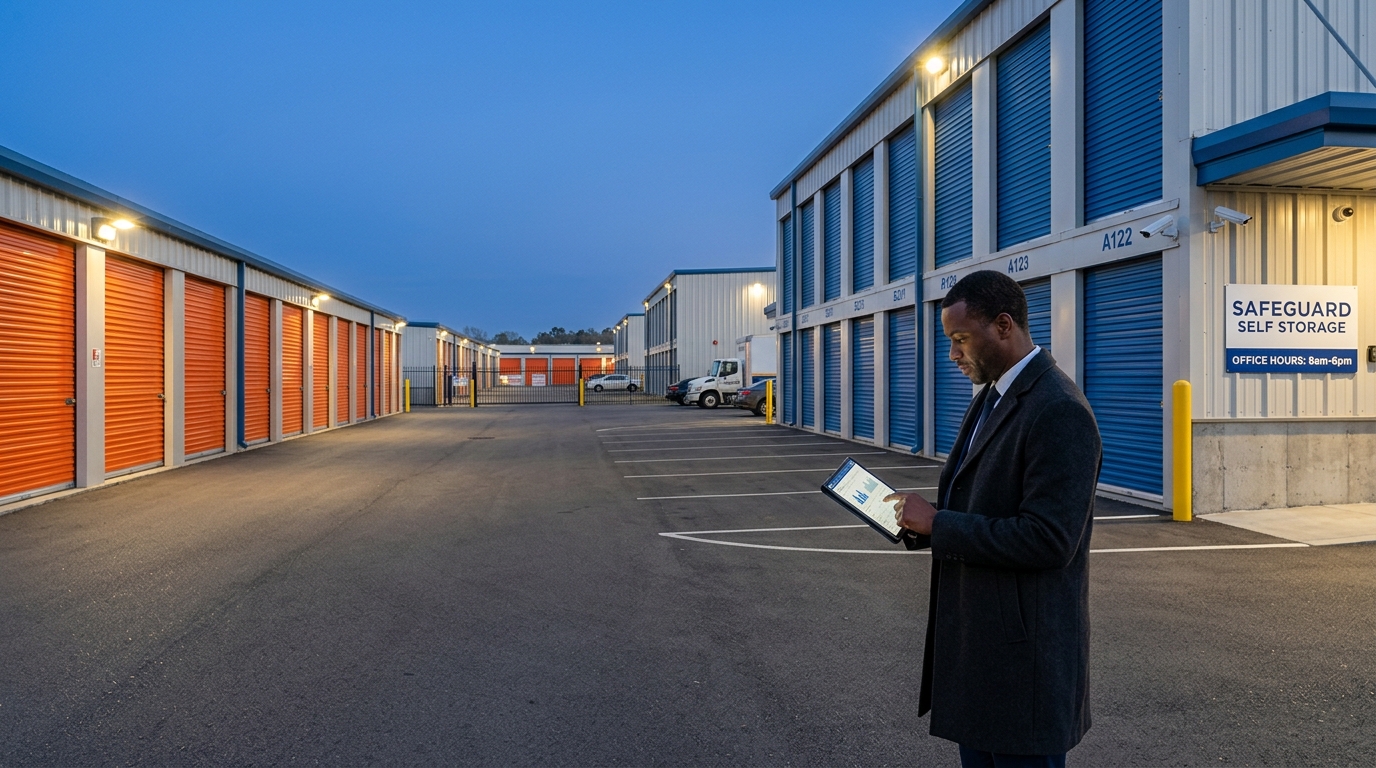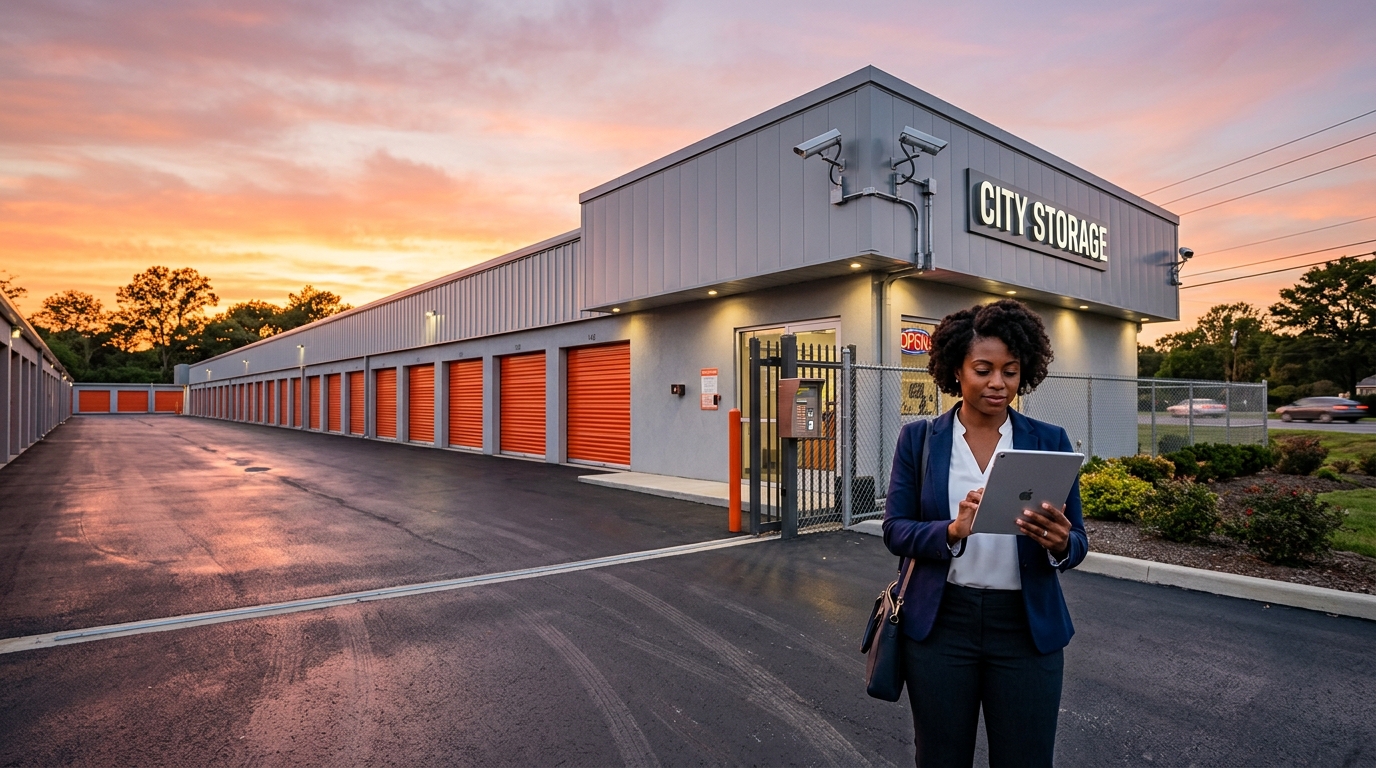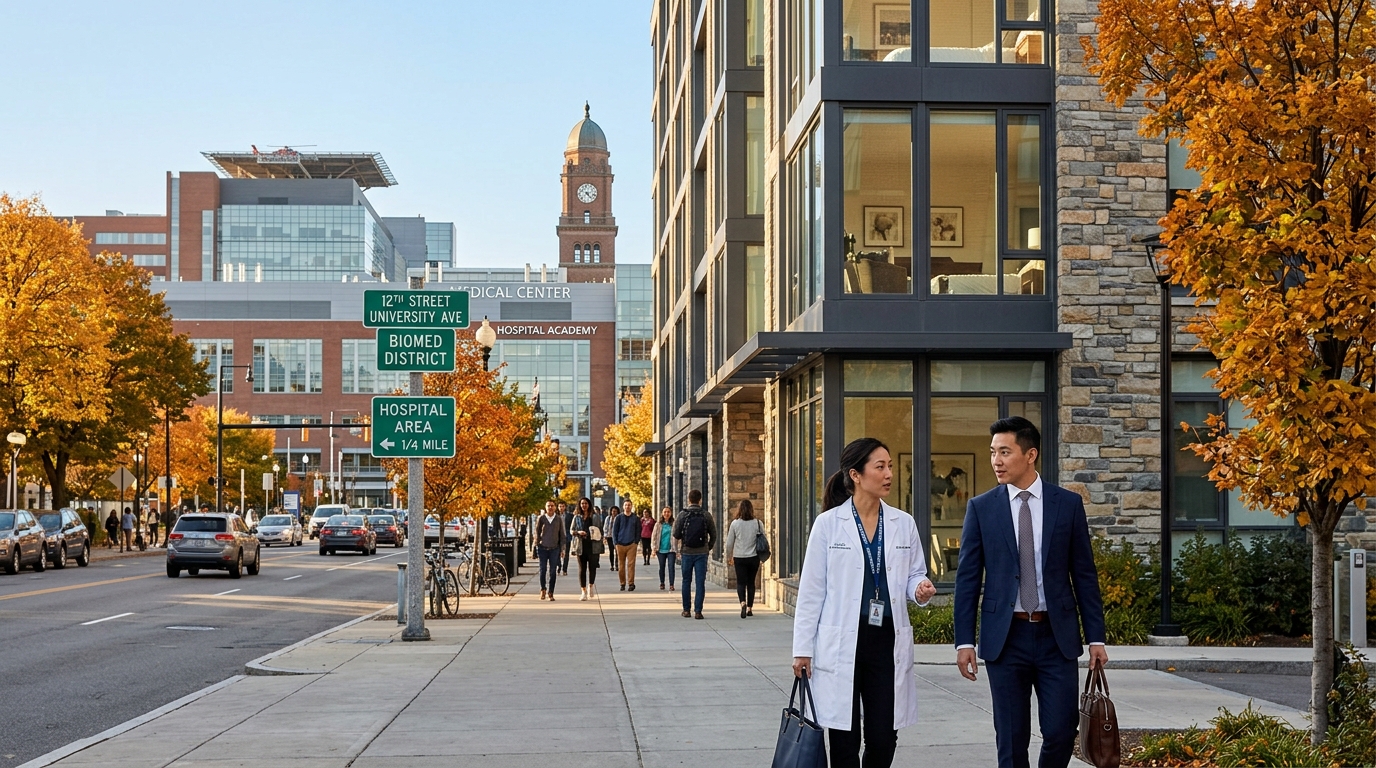
In the current real estate environment, the most sophisticated investors are moving away from the crowded field of ground up construction. Instead, they are turning their attention to the structural bones of the past. Adaptive reuse, the process of repurposing existing buildings for new functions, has evolved from a niche architectural exercise into a potent financial strategy for value add investors. While the prospect of building from scratch offers a clean slate, the inherent risks associated with rising material costs, labor shortages, and protracted entitlement timelines make it an increasingly difficult path to yield.
The economic core of adaptive reuse lies in the preservation of embodied carbon and structural value. When an investor acquires a building that has reached the end of its original economic utility, they are effectively purchasing the foundation, steel frame, and exterior envelope at a fraction of the cost required to replicate them today. In many urban and suburban corridors, these assets sit on prime land with established utility infrastructure, which bypasses the most expensive and time consuming aspects of new development. By focusing on the conversion of obsolete office parks or underperforming retail centers into high demand residential or mixed use hubs, savvy capital allocators are capturing significant upside.
The primary hurdle in this asset class is the complexity of the renovation process. Unlike new construction, where the blueprints dictate the reality of the site, adaptive reuse requires a deep forensic analysis of the existing structure. Investors must conduct rigorous due diligence regarding zoning, structural integrity, and environmental hazards before committing capital. A property that appears to be a bargain on a price per square foot basis can quickly become a liability if the floor plates are too deep to allow for adequate natural light in residential units or if the ceiling heights do not accommodate modern mechanical systems. Successful execution requires a partnership between the investor and a specialized architect who understands how to bridge the gap between historic constraints and contemporary expectations.
Beyond the physical structure, the financial model for adaptive reuse relies heavily on the capture of tax incentives and community support. Many municipalities are eager to revitalize stagnant areas, often offering tax abatements or fast tracked permitting for developers who commit to rehabilitating existing properties rather than tearing them down. These incentives act as a vital buffer against the unforeseen costs that invariably arise when opening up walls or upgrading electrical systems. Investors should view these government relationships as a core component of their risk mitigation strategy rather than an afterthought.
Market demand currently favors flexibility. As the way the workforce utilizes physical space continues to evolve, the ability to pivot an asset from one use to another is a distinct competitive advantage. A building designed with high ceilings and open floor plans is inherently more valuable than a structure designed for a singular, rigid purpose. Investors who prioritize assets with these versatile characteristics are essentially creating a hedge against future obsolescence. Even if the primary tenant profile shifts, the building remains a viable candidate for the next phase of market evolution.
Furthermore, the ESG (Environmental, Social, and Governance) narrative has become a critical driver for institutional capital. Institutional limited partners are increasingly scrutinizing the carbon footprint of their portfolios. Repurposing an existing structure is widely considered the most sustainable form of development because it avoids the massive carbon expenditure of demolition and new raw material extraction. By choosing adaptive reuse, investors often find it easier to secure favorable financing terms from lenders who are striving to meet their own sustainability mandates. This creates a double benefit: a lower cost of capital and an asset that aligns with the long term requirements of institutional tenants and buyers.
Ultimately, the adaptive reuse play is an exercise in discerning value where others see baggage. It requires a patient mindset and a willingness to solve structural puzzles that deter the average developer. However, for those who master the nuances of zoning, structural assessment, and community engagement, the rewards are significant. By transforming the obsolete into the essential, investors create assets that are not only profitable but also deeply integrated into the fabric of their communities. In a market defined by uncertainty, the ability to revitalize existing infrastructure stands as a testament to the enduring power of disciplined, analytical real estate investment.