The valuation of industrial real estate has undergone a fundamental paradigm shift, moving away from the traditional model of simple storage toward a complex system of rapid distribution. This transition is most visible in the pricing of small to mid-sized warehouses located on the periphery of major metropolitan areas. These assets, often overlooked during the era of massive big-box expansion, now command a premium that reflects their role as the final node in the global supply chain. For the institutional investor, understanding the mechanics of this last-mile premium requires a move away from aggregate market data toward a granular analysis of physical throughput and site utility.
Historically, industrial property was valued primarily on the cost of replacement and the efficiency of square footage. The goal was to maximize the volume of goods stored at the lowest possible cost. However, the modern economy prizes velocity over volume. The primary driver of value in contemporary industrial assets is no longer the capacity to hold inventory, but rather the capacity to move it. This shift has elevated the importance of the last-mile facility, a property type defined by its proximity to high-density consumer populations and its ability to facilitate rapid sorting and dispatching of goods.
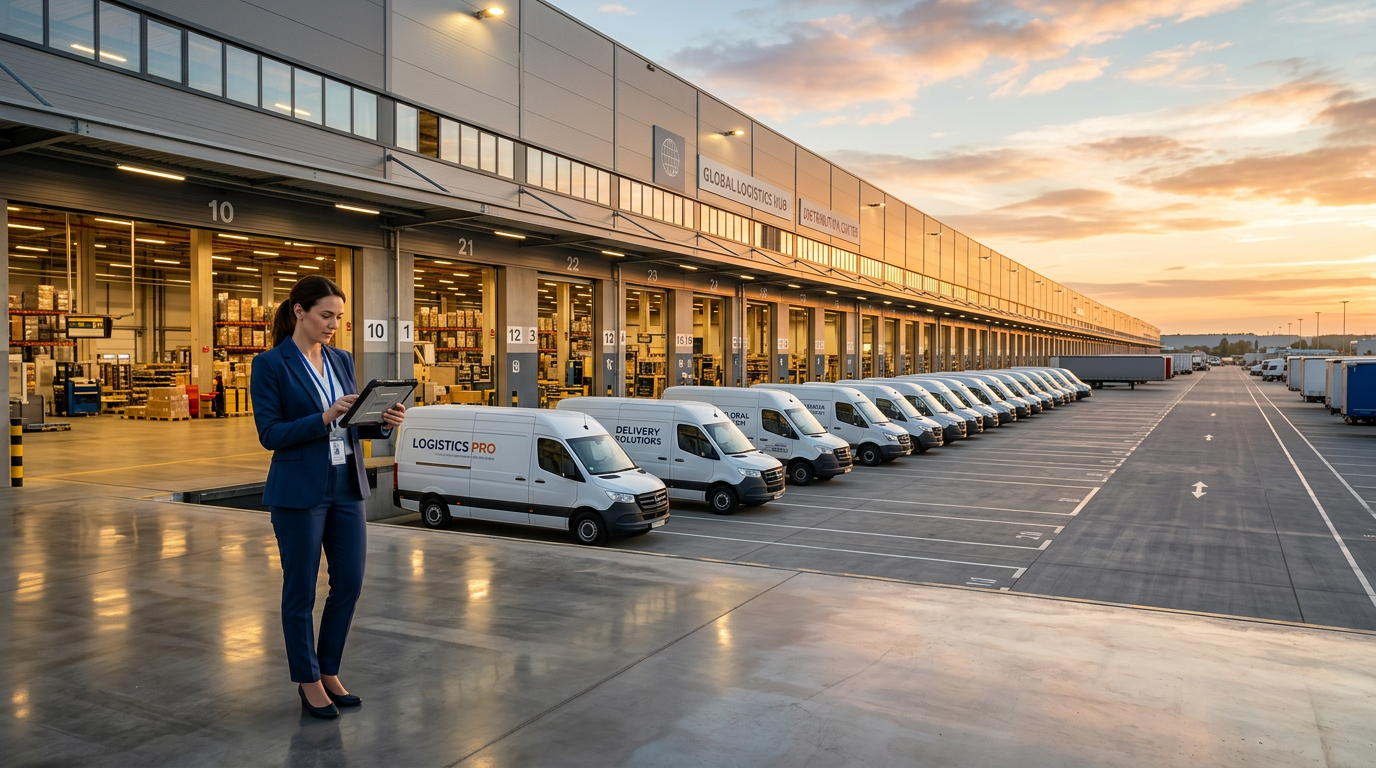
When analyzing these assets, the sophisticated investor must look beyond the standard rent roll. The physical constraints of a site often dictate its long-term yield potential more than the current lease terms. For instance, the ratio of loading docks to total square footage is a critical metric for last-mile efficiency. A facility with a high dock count allows for more simultaneous movements, reducing the time a vehicle spends idling and increasing the total daily throughput of the site. In many cases, a smaller building with superior ingress and egress will command a higher effective rent than a larger, more cumbersome facility that lacks the necessary maneuverability for modern delivery fleets.
Another factor that contributes to the scarcity and subsequent value of these assets is the regulatory environment. Most major metropolitan areas have significant zoning restrictions that limit the development of new industrial space near residential centers. This creates a natural barrier to entry, protecting the value of existing assets. The supply of last-mile space is effectively capped by municipal land-use policies, while demand continues to grow as consumer expectations for delivery speed intensify. This imbalance creates a structural tailwind for rental growth that is less susceptible to the cyclical fluctuations seen in the office or retail sectors.
Functional obsolescence is a significant risk that investors must weigh against the potential for high returns. Many older industrial buildings lack the ceiling heights or floor load capacities required by modern automated sorting systems. However, in the last-mile segment, the value of the location often outweighs the limitations of the structure. Tenants are frequently willing to accept sub-optimal building specifications in exchange for a ten-minute reduction in drive time to their primary customer base. This creates a unique investment opportunity: the acquisition of functionally challenged buildings in superior locations that can be repositioned or redeveloped to meet modern standards.
The tenant profile in the last-mile sector has also evolved. While traditional third-party logistics providers remain a staple, there is an increasing presence of specialized users, including cold storage operators and high-tech manufacturing firms. These tenants often invest significant capital into the interior of the building, installing specialized racking, climate control, or robotics. This tenant-funded capital expenditure serves as a powerful retention tool, as the cost of relocating such sophisticated operations is often prohibitively high. This results in longer lease durations and lower turnover costs for the landlord, enhancing the overall quality of the asset's cash flow.
Finally, the interplay between industrial land values and alternative uses cannot be ignored. In many urban corridors, industrial land is being encroached upon by residential and mixed-use development. As industrial sites are converted to higher-density uses, the remaining industrial inventory becomes even more precious. This process of industrial land contraction ensures that the remaining nodes of distribution become mission-critical infrastructure for the functioning of the city. Investors who recognize the strategic importance of these nodes can position themselves to capture significant long-term appreciation, driven by the inescapable reality of geographic scarcity and the relentless demand for logistical efficiency.