In the current landscape of commercial real estate, the narrative often centers on the uncertainty surrounding traditional office spaces and the shifting dynamics of the retail sector. However, a quiet powerhouse has emerged as the anchor for institutional and private portfolios alike: industrial real estate. Specifically, the evolution of light industrial and last-mile distribution centers represents a fundamental shift in how capital should be allocated for long-term wealth preservation and growth.
The value proposition of industrial assets is rooted in the physical necessity of infrastructure. Unlike discretionary office space, which can be optimized through remote work policies, industrial facilities serve as the essential tendons of the modern economy. From local supply chain management to the cold storage requirements of the healthcare sector, these assets operate at the intersection of utility and necessity. When evaluating potential acquisitions, investors must look past simple square footage and focus on the functional obsolescence risk inherent in older warehouse stock.
A primary driver of the sector is the ongoing compression of delivery expectations. As businesses compete to shorten the distance between the warehouse floor and the consumer doorstep, the demand for infill industrial properties has reached a structural peak. These properties, often located within dense metropolitan rings, are increasingly difficult to replicate due to zoning restrictions and land scarcity. This creates a natural barrier to entry that protects existing asset values from new supply competition. For the discerning investor, this scarcity is not a hurdle, but a competitive moat.
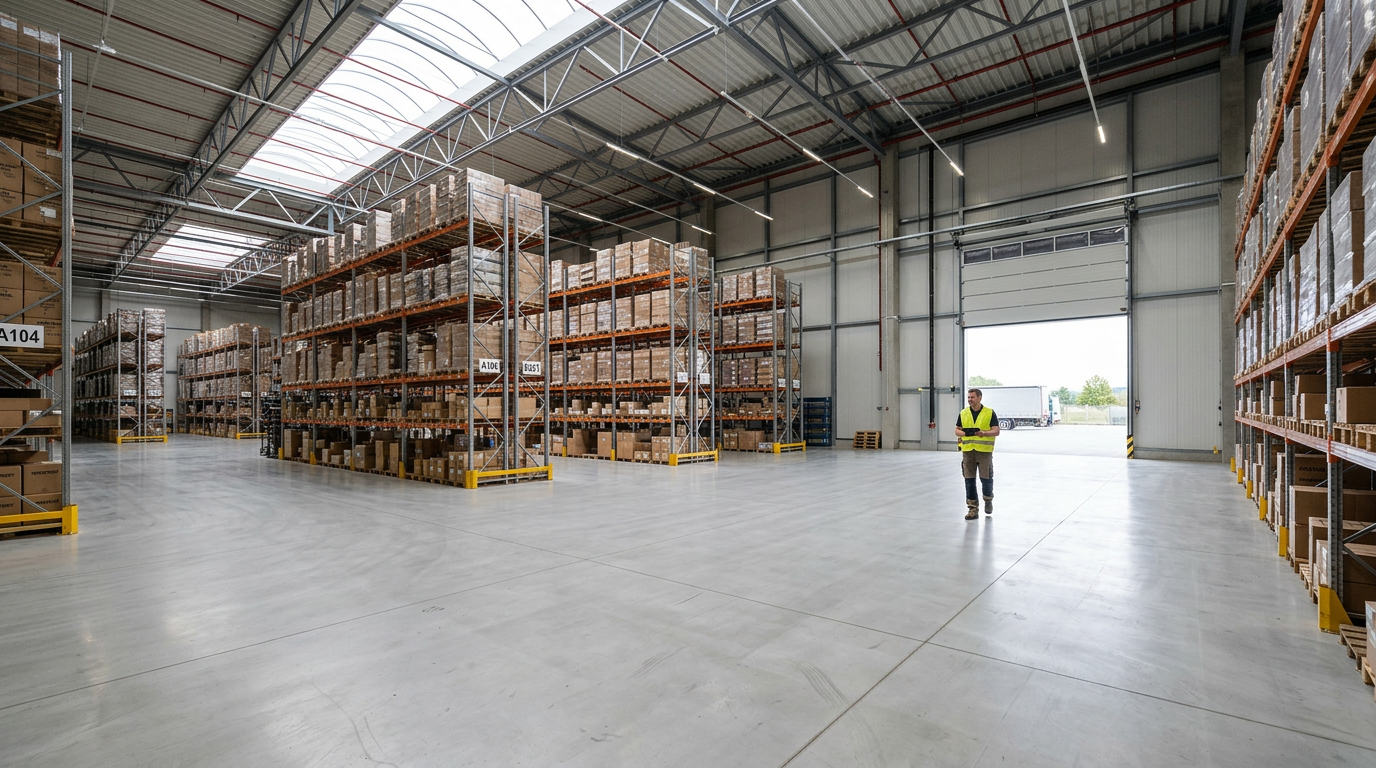
When conducting due diligence on an industrial deal, the focus should shift toward clear height, truck court depth, and loading door ratios. These technical specifications dictate the operational efficiency of the tenant. An asset that offers high clear heights allows for vertical racking, which maximizes the storage density of the footprint. Similarly, a deep truck court allows for the maneuverability of modern semi-trucks, which is a non-negotiable requirement for high-volume logistics firms. Investors who prioritize these metrics are essentially betting on the future productivity of the tenant, rather than merely the appreciation of the dirt beneath the foundation.
Furthermore, the lease structures common in industrial real estate provide a distinct advantage for cash flow stability. Triple-net leases remain the standard, shifting the burden of property taxes, insurance, and maintenance to the tenant. This insulation against rising operating expenses is a critical feature for investors who seek a predictable yield profile. By minimizing the impact of inflationary pressure on the bottom line, industrial owners can maintain a higher degree of net operating income certainty throughout a market cycle.
Another overlooked aspect of this asset class is the potential for adaptive reuse and infill redevelopment. As urban boundaries continue to expand, previously peripheral industrial sites find themselves enveloped by residential and mixed-use development. This evolution often creates a significant value-add opportunity. Savvy investors analyze these sites not just for their current industrial utility, but for their long-term potential as land banks in high-growth corridors. The ability to pivot a property from a distribution hub to a high-value industrial flex space can unlock a secondary layer of appreciation that is rarely captured in static financial models.
Risk mitigation in this sector requires a disciplined approach to tenant credit quality. The logistics industry is subject to consolidation, and relying on a single large tenant can introduce unnecessary volatility. A diversified rent roll, composed of a mix of regional distributors and specialized service providers, offers a robust defense against localized economic downturns. Prioritizing tenants that provide specialized services, such as high-tech manufacturing or controlled-environment storage, further insulates the property from the commoditization of general warehouse space.
Ultimately, the industrial sector stands as a testament to the power of fundamental utility. While market sentiment may fluctuate based on macroeconomic indicators, the physical requirement for space to store, sort, and move goods remains constant. By focusing on strategic location, technical capability, and durable lease structures, investors can navigate the complexities of the current market while building a portfolio that is resilient, scalable, and inherently valuable. The industrial premium is not merely a trend, but a reflection of the essential nature of the logistics sector in a globalized economy.